
Situation


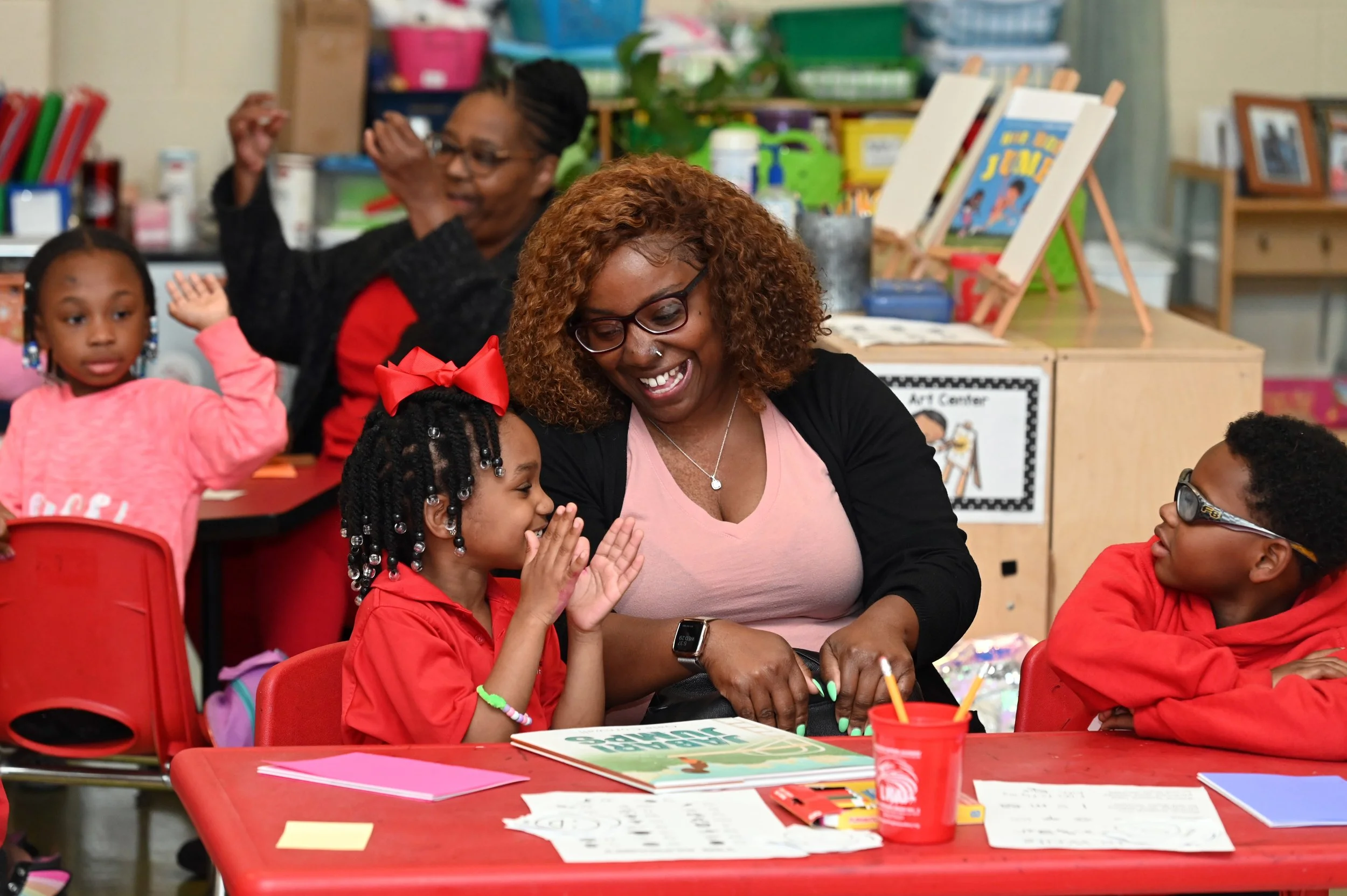
For more than 35 years, the Louisiana Endowment for the Humanities (LEH) has acted as the trusted steward of Louisiana’s stories, preserving the state’s rich cultural identity. Yet, behind the scenes, the organization was quietly building a parallel legacy as a direct service provider, transforming how Louisiana children learn to read. Through its Prime Time Preschool program—launched in 2008 for children ages 3 to 5—LEH began using humanities-based learning to address the state’s intergenerational literacy challenges.
Since 1991, Prime Time grew from a local pilot into a celebrated national affiliate network, with programs implemented in states including Nebraska, Washington, Kentucky, Georgia, New Jersey, Delaware and Florida. The program was recently selected by the Library of Congress as the 2025 Literacy Awards American Prize recipient for making significant and measurable contributions to increasing literacy levels in the U.S.
The challenge was that while Prime Time was changing lives, its impact was largely anecdotal. To move from a beloved local program to a national benchmark, LEH needed to bridge the gap between their humanities roots and hard-hitting educational data. When they prepared to unveil a five-year longitudinal study proving Prime Time was a critical driver in Louisiana’s rising literacy rankings.
The study analyzed data from nearly 1,000 children participating in the free Prime Time Preschool. The results showed that children who participate in Prime Time consistently finish preschool significantly ahead of their peers, particularly in early literacy and foundational math while also contributing cognitive skills (such as attention, persistence and problem solving) that contribute to broader school readiness. In practical terms, Prime Time participation is equivalent to moving a child from the 50th percentile to the 70th percentile in core developmental areas.
For decades, LEH has been the steward of Louisiana’s stories, but the study shows that they are a national leader in how those stories are used to transform early education. As Louisiana’s pre-K to 12th-grade rankings have risen from 49th to 37th in the nation, Prime Time has served as a vital component of that collective progress.
Strategy
Gambel Communication’s goal was to reframe the study not as a data-dense academic report, but as a "Made in Louisiana" success story that offered a proven blueprint for the nation. The strategy needed to demonstrate that investing in the humanities is, in fact, an investment in the foundational math, literacy and cognitive skills that set children up for a lifetime of success.
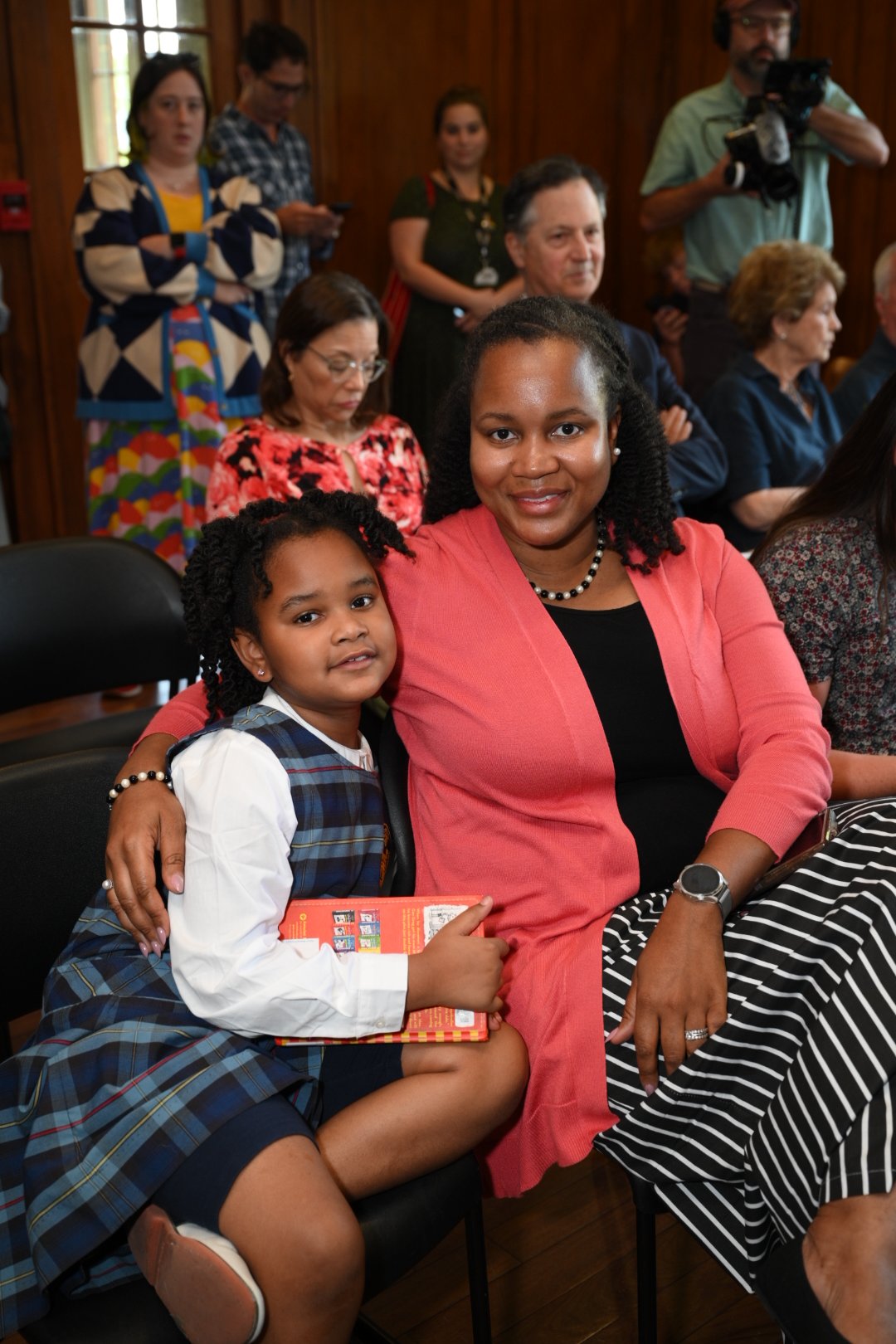
To ensure this message reached the people who could scale the program’s impact, we executed a strategy built on high-stakes narrative positioning. Working with LEH, we orchestrated a press conference on Louisiana Literacy Day, purposely anchoring the study in a statewide moment of awareness to command the attention of lawmakers and education leaders. The press conference included comments from key program and funding stakeholders, city officials presented a celebratory proclamation, and Prime Time participating families spoke about the impact of the program.

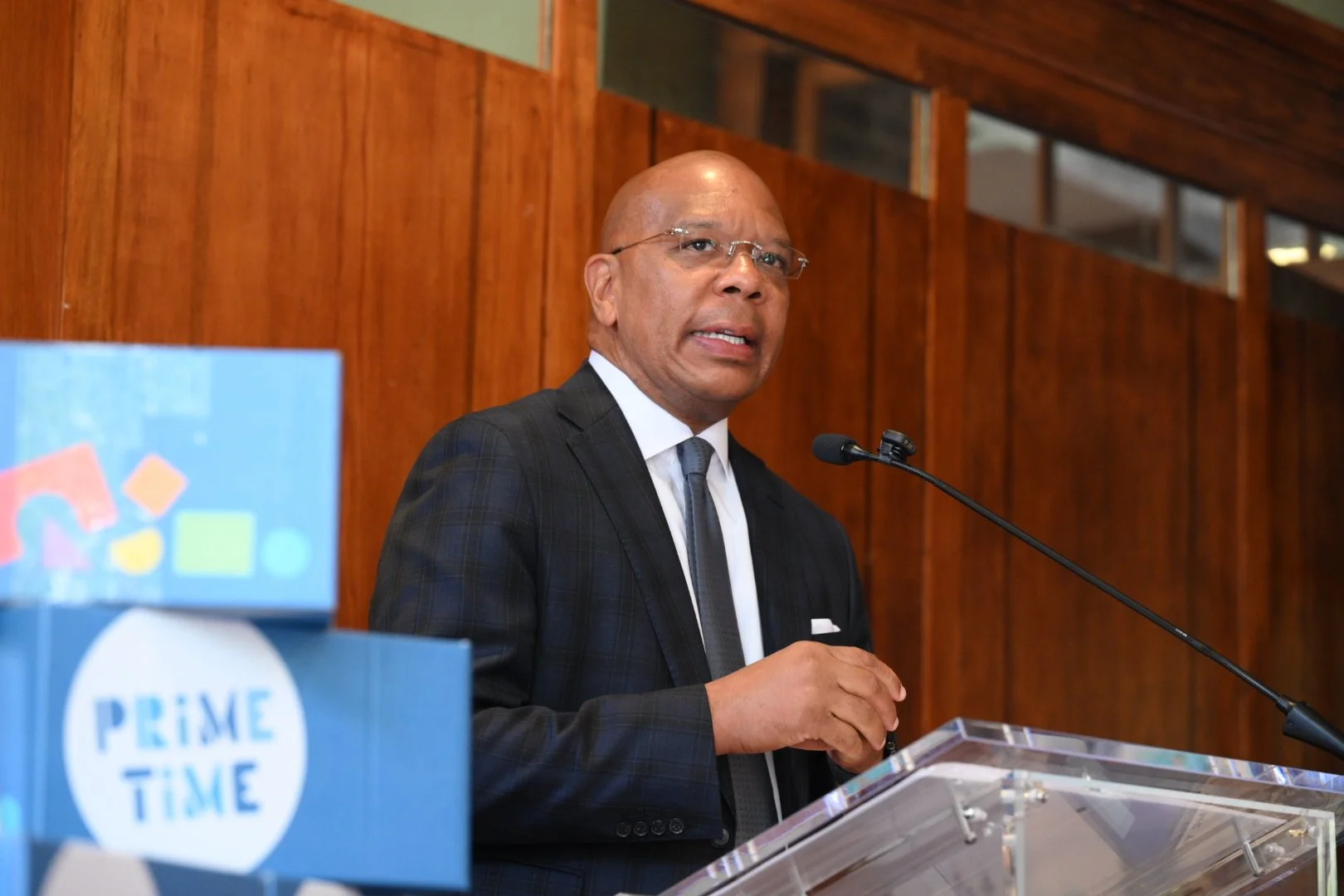
Rather than just pushing data, we developed pitch angles that highlighted the human impact—the "structured bridge" Prime Time creates between the classroom and the home—to resonate with community and business reporters alike. Targeted media drops were hand delivered to news stations and reporters ahead of the press conference that included Prime Time Boxes, an asynchronous, home-based version of the program. We also prepared a suite of supporting materials—including a press release, fact sheets and FAQs—to ensure consistent, compelling messaging across all platforms. We armed LEH leadership with carefully crafted talking points that bridged the gap between their history as a humanities organization and their new reality as an education powerhouse, ensuring every interview emphasized the program’s ability to turn passive listeners into active, critical thinkers.


On the heels of the press conference, we deployed a bilingual press release and a suite of digital assets including professional photos and video from the press conference. Because this pivotal study confirmed that Prime Time is a proven blueprint not just for Louisiana but for the entire country, the release was distributed statewide and through a national wire service.
Results
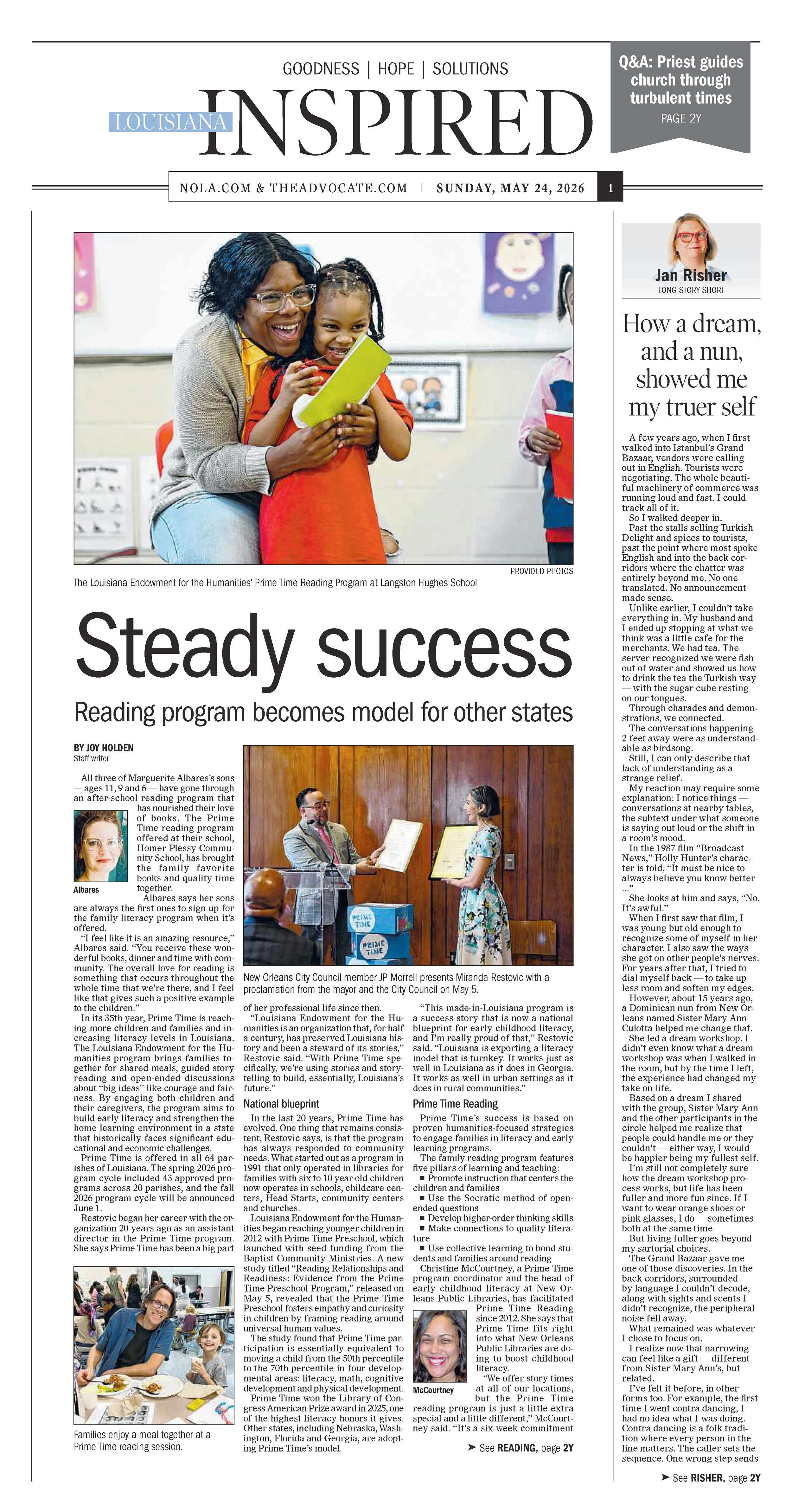
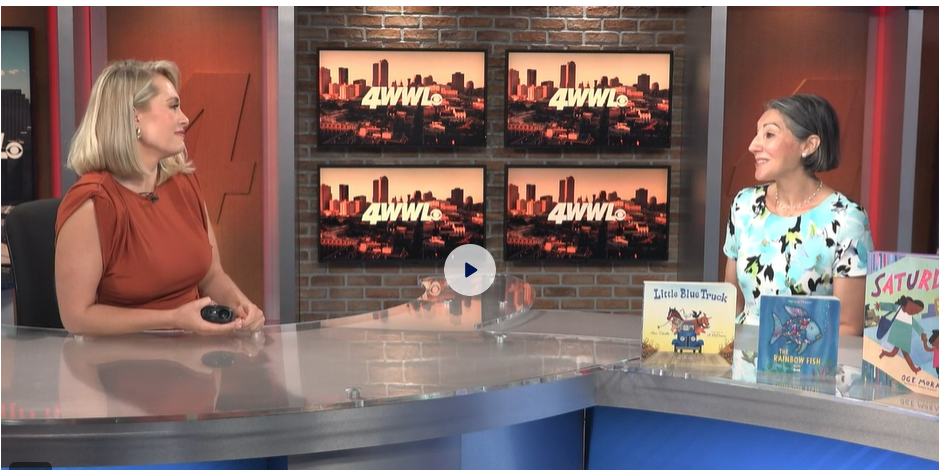
By leveraging strategic media relations, the Prime Time press conference served as a powerful catalyst for the study, resulting in story placements across major broadcast and print outlets in Louisiana, including a font-page story in The Times-Picayune’s Louisiana Inspired Sunday section, which appeared across all statewide Advocate markets – New Orleans, Baton Rouge, Acadiana, Shreveport and Lake Charles. We further extended the narrative through executive positioning, placing a guest perspective in New Orleans CityBusiness and Biz Magazine in Shreveport. The targeted wire press release successfully expanded the reach of the study’s findings to a national audience with story placements in the Associated Press, Yahoo and Wallstreet Online.
In total, the Prime Time Preschool study campaign produced a total of 62 story placements, reaching an estimated 51 million people.
Beyond the immediate reach and visibility achieved during this announcement, the media relations campaign established a robust foundation for LEH to influence future policy discussions and donor engagement. This sustained narrative control not only reinforces the program’s reputation as an evidence-based leader in early childhood education but also creates a persistent library of media assets that will serve as critical advocacy tools for years to come. By positioning the study’s findings within the broader discourse on literacy and education, this work successfully transformed a singular research milestone into a durable strategic asset that bolsters the long-term viability and credibility of the Prime Time brand, allowing LEH to position Prime Time alongside other literacy programs that are collectively working to improve literacy rates across the state.